


Bridging Academia & Industry
Most graduates face the gap between classroom learning and industry expectations. Industry-ready certifications close this gap, ensuring candidates have hands-on, applied skills.

Credibility & Employability
Certified learners stand out to recruiters. Technical assessments provide measurable proof of competence, boosting employability and confidence during job applications.

Global Standards & Recognition
With recognized certifications, learners meet global benchmarks, opening doors to international opportunities and cross-border career growth.

Continuous Performance Tracking
Regular technical assessments help learners and institutions monitor skill progress, identify learning gaps, and strengthen weak areas.
Technical assessments and certifications aren’t just badges—they are gateways to credibility, career mobility, and industry relevance.
Leadership & Soft Skills Development
Success in the modern workplace is not just about what you know—it’s about how you lead, communicate, and collaborate. Leadership and soft skills training are essential for building impactful professionals.
Effective Communication & Collaboration
From presentations to teamwork, strong communication skills help professionals articulate ideas clearly and work efficiently with diverse teams.
Leadership for Every Role
Leadership is not limited to managers. Whether students or professionals, cultivating decision-making, empathy, and problem-solving prepares individuals for responsibility at every level.
Emotional Intelligence & Adaptability
In dynamic environments, soft skills empower individuals to manage stress, build trust, and adapt to changing circumstances with resilience.
Employers’ Top Priority
Today, organizations place as much value on soft skills as technical expertise. Leadership and interpersonal capabilities often define career growth and long-term success.
Leadership and soft skills are the invisible strengths that turn knowledge into impact, transforming professionals into leaders of tomorrow.
Upskilling & Reskilling for the Future
With industries evolving at lightning speed, yesterday’s skills are no longer enough. Upskilling and reskilling are critical strategies for staying relevant, competitive, and future-ready.
Adapting to Emerging Technologies
AI, automation, and digital transformation are reshaping industries. Upskilling ensures professionals remain in sync with these advancements.
Reskilling for Career Shifts
Many professionals switch roles or industries during their careers. Reskilling equips them with the competencies needed to thrive in new opportunities.
Future-Proof Employability
Continuous learning fosters agility, making individuals indispensable assets to employers, even in uncertain times.
Support for Organizations & Institutions
Companies and educational bodies benefit by nurturing talent pipelines that match evolving industry demands, driving long-term success.

Career Guidance & Choices
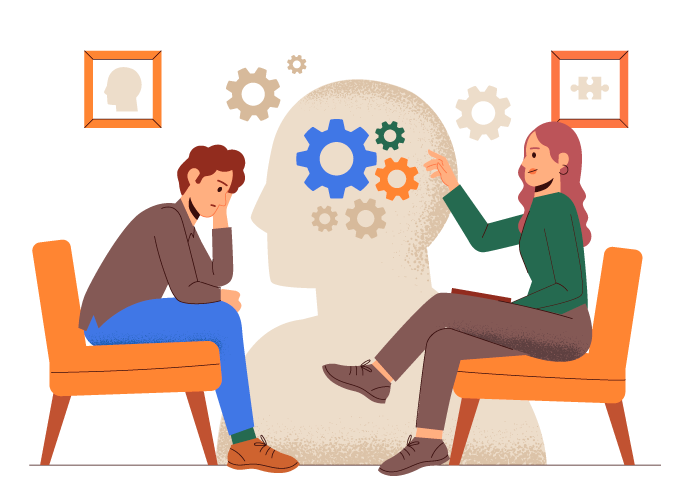
With numerous career paths and emerging job roles, students often feel overwhelmed. Psychometric tests help identify interests, personality traits, and aptitudes, making career decisions more informed and stress-free.

Recruitment & Employability
Organizations increasingly use psychometric assessments to evaluate behavioral traits, problem-solving skills, teamwork ability, and leadership potential. These insights go beyond resumes and grades, ensuring the right fit between candidates and job roles.

Personal Growth & Self-Awareness
For learners and professionals alike, psychometric tools provide clarity about strengths, development areas, and preferred working styles. This self-awareness fosters confidence, adaptability, and better emotional intelligence.

Educational Institutions & Training
Schools, colleges, and training institutes use psychometric tests to support student counseling, stream selection, and skill development. This ensures learners are placed in programs that align with their abilities and aspirations.

Managing Today’s Challenges
In an era marked by rapid technological changes, global competition, and mental health concerns, psychometric assessments act as a scientific compass—helping individuals navigate stress, build resilience, and align their personal and professional goals.
Psychometric tests are not just about evaluation; they are about unlocking potential, making smarter choices, and preparing for the future.